Property Maintenance Hull for Rental Properties: A Landlord’s Guide
Owning rental property in Hull can be rewarding, but only when maintenance chmyorkshireltd.co.uk Property Maintenance Hull is treated as part of the business rather than an occasional chore. Too many landlords learn this the hard way. A small roof leak becomes a stained ceiling and mould complaint. A sticky back door turns into a failed inspection. A tired bathroom that looked serviceable five years ago suddenly starts costing more in patch repairs than a proper refit would have done.
Hull has its own character as a rental market. The housing stock is mixed, with older terraces, post-war semis, ex-local authority homes, student lets, and a growing number of refreshed properties aimed at young professionals and families. That variety matters, because maintenance needs differ sharply between a Victorian terrace with ageing brickwork and a newer build with modern services. The weather matters too. Wind, rain, damp air, and cold snaps all test a building envelope in ways that landlords ignore at their expense.
Good maintenance protects rent, tenant relationships, compliance, and the long-term value of the asset. It also makes your life easier. Properties that are looked after tend to attract better tenants, suffer fewer emergency callouts, and cost less to run over a ten-year period. That is not theory. It is what most experienced landlords eventually discover after comparing the well-maintained house that lets quickly with the one that always seems to cause trouble.
The real cost of deferred maintenance
Many landlords focus on obvious expenses such as mortgage payments, insurance, and letting fees. Maintenance gets treated as a variable that can be squeezed. On paper that feels efficient. In practice, it usually means paying more later.
A cracked seal around a bath might cost very little to fix if caught early. Left for months, water creeps into flooring, behind skirting, and into ceilings below. What should have been a simple reseal becomes joinery, plastering, repainting, and a dispute over responsibility. The same pattern repeats across roofing, plumbing, electrics, windows, and heating systems. Delay nearly always multiplies the final bill.
There is also the hidden financial drag that does not appear on a contractor invoice. A poorly maintained rental often sits empty longer between tenancies. Prospective tenants notice mildew in corners, peeling paint near windows, loose handles, and dated fittings. They may not mention every concern during a viewing, but it shapes their decision. If a better-presented house nearby feels more reliable, yours loses out, even if the rent is similar.
For landlords in Hull, void periods can hurt quickly. Two or three weeks without rent can wipe out any imagined saving from putting off minor works. Add emergency labour rates, after-hours plumber charges, or temporary heaters when a boiler fails in winter, and the numbers stop being close.
Why Hull properties need a maintenance strategy, not just repairs
Hull’s climate and housing profile make reactive maintenance especially risky. Older housing stock often comes with recurring issues: blown plaster from historic damp, timber wear, under-insulated lofts, ageing gutters, and roofs that have had years of piecemeal repairs. Even relatively solid properties can suffer if rainwater goods are neglected. A blocked gutter on a wet autumn week can pour water down an external wall and create internal damp faster than most new landlords expect.
A strategy is different from simply calling trades when something breaks. It means understanding the likely failure points in your property, planning inspections, budgeting for replacement cycles, and knowing when repair stops making sense. It also means seeing maintenance and improvement as linked. In many cases, a small upgrade during a repair prevents repeat problems.
Take extractor fans as an example. In a basic repair mindset, you replace the broken fan with the cheapest equivalent. In a strategic mindset, you ask why condensation keeps returning, whether the fan is underpowered, whether the tenant has enough background ventilation, and whether the bathroom door undercut allows airflow. The better fix may cost a bit more upfront, but it reduces mould complaints and repainting later.
That is where terms like Property Maintenance Hull and Property Renovation Hull often overlap in practice. Maintenance keeps the property functional and compliant. Renovation improves durability, efficiency, appeal, or layout. A sensible landlord knows when a job belongs in one category and when it has quietly crossed into the other.
Routine inspections that actually prevent problems
Inspections are only useful when they are systematic. A rushed walk-through while chatting about rent dates will not reveal much. The best inspections are calm, consistent, and focused on how the building is performing.
Many landlords inspect either too rarely or too aggressively. Too rarely, and issues grow unnoticed. Too aggressively, and the relationship with the tenant becomes strained. In most standard lets, a regular schedule with proper notice works well, especially if you frame it around protecting the property and dealing with problems early.

During an inspection, pay attention to patterns rather than isolated marks. One small patch of mould in a bathroom might be straightforward. Mould around window reveals in multiple rooms suggests ventilation, insulation, or heating-use issues. A single cracked tile is cosmetic. A line of cracks above a door may point to movement or a failing lintel, though not always. Context matters.
The most useful inspection notes are practical. Record what was seen, what action is needed, who is responsible, and when it should be revisited. Photographs help, especially at tenancy changeover. They are not about mistrust. They create clarity.
A sound landlord inspection usually covers the following areas:
- signs of damp, leaks, condensation, or mould
- condition of roofs, gutters, external joinery, and boundaries where visible
- heating performance, boiler servicing status, and radiator function
- electrical wear such as damaged sockets, failing extractor fans, or broken light fittings
- kitchens and bathrooms, where water damage tends to start quietly
That checklist looks simple, but it catches most of the expensive issues before they become serious.
The maintenance issues that crop up most often in Hull rentals
In Hull, damp is often the complaint tenants mention first, but the root cause varies. Condensation is common in homes with poor ventilation, sealed-up chimneys, upgraded windows without adequate airflow, or tenants drying clothes indoors. Penetrating damp is different. That points more toward external defects such as cracked render, overflowing gutters, slipped slates, or failed pointing. Rising damp is frequently claimed and often misunderstood. Genuine rising damp exists, but plenty of cases turn out to be a mix of high external ground levels, bridging plaster, poor ventilation, and internal moisture.
Heating systems are another pressure point. A boiler that limps through one winter may fail the next, usually at the least convenient moment. Landlords who wait for total breakdown often pay premium rates and make hasty replacement choices. If a boiler is repeatedly faulting, parts are becoming harder to source, or efficiency is poor, planned replacement is usually wiser than another winter of temporary fixes.
Bathrooms take more punishment than many owners realise. Tenants use them daily, moisture levels are high, and poor workmanship shows up quickly. Loose taps, failing mastic, cracked trays, and weak extraction should never be classed as minor. Those are the jobs that end up affecting floors, ceilings, and neighbouring rooms.
Kitchens have their own predictable wear points. Hinges loosen, worktop joints split, sink seals fail, and vinyl flooring near appliances lifts if water gets CHM Yorkshire Fence Contractor under it. In family lets or HMOs, that wear accelerates.
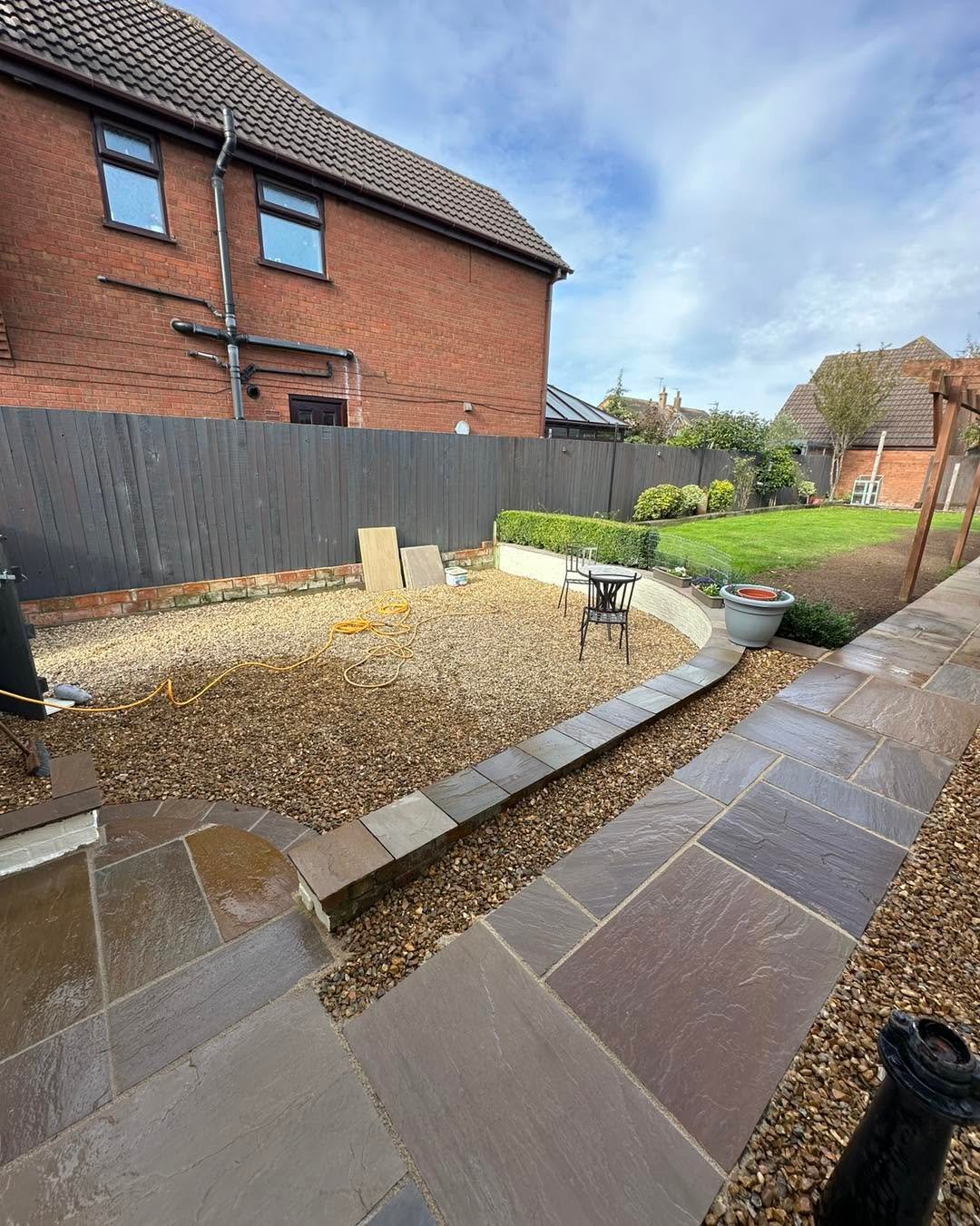
Then there are the quieter maintenance drains: fences after storms, paving that becomes a trip hazard, windows that no General Contractor longer lock properly, and decoration that has simply reached the end of its useful life. None of these is dramatic on its own. Together, they shape whether a property feels cared for or neglected.
Knowing when a repair becomes a renovation
This is one of the most important judgments a landlord can make. If you keep repairing things that are functionally worn out, you can spend renovation-level money without ever getting renovation-level results.
A common example is an old bathroom suite in a tired rental. Perhaps the cistern leaks occasionally, tiles sound hollow, grout is patchy, and the floor has softened near the bath panel. You can replace the cistern internals, patch the grout, reseal the bath, and nurse it along for another year. Or you can recognise that the room is at the end of its cycle and carry out a full upgrade. The first route may cost less this month. The second often costs less over two or three years and leaves you with a better letting asset.
The same logic applies to kitchens, windows, roofing, electrics, and flooring. Property Renovation Hull projects often start because a landlord is tired of paying for the same failure point over and over again. Once you have paid three separate callout charges for plumbing around an outdated bathroom, plus ceiling repair below, plus tenant goodwill gestures, the economics of a full refit become easier to see.
Renovation is also worth considering at tenancy changeover. Access is easier, disruption is lower, and the finished property can be marketed at a stronger standard. Some of the best landlord decisions are made in that short window between one tenancy ending and the next beginning.
Choosing contractors without inviting future headaches
A good contractor saves money. A poor one can create years of nuisance. Landlords sometimes chase the cheapest quote because margins feel tight. That usually works only if the job is very simple and tightly defined. For anything involving multiple trades, wet areas, structural alterations, or extensive refurbishment, cheap can become expensive fast.
The best tradespeople are not just technically competent. They communicate clearly, turn up when expected, flag hidden issues early, and understand that rental work often needs durable, practical solutions rather than showroom flourishes. A house that must stand up to repeated tenancies benefits from sensible specifications and robust finishes.
If the job involves several trades, a reliable General Contractor can be invaluable. Coordinating joiners, plumbers, electricians, plasterers, decorators, and floor layers is a job in itself. On a larger turnover or refurbishment, trying to manage each trade separately can save management fees in theory while losing time, quality control, and accountability in reality. A strong General Contractor should sequence the work properly, identify dependencies, and give you one point of contact when problems arise.
Before appointing anyone, ask practical questions. How do they handle unforeseen findings once walls or floors are opened up? What is included in the quote, and what is excluded? Who disposes of waste? How are snagging issues resolved? These questions are not fussy. They are where many landlord disputes begin.
It also pays to judge contractors on the quality of their thinking. If someone suggests over-boarding visible damage without explaining the cause, be cautious. If a bathroom fitter talks about extraction, subfloor condition, and waterproofing details without prompting, that is usually a better sign than a low headline figure.
Budgeting in a way that matches real life
Every landlord wants predictability, but maintenance rarely arrives on a neat calendar. Still, you can budget far better than many do. The trick is to separate routine annual spend from medium-term capital works.
Routine annual spend covers servicing, small repairs, safety work, minor decoration touch-ups, gutter clearing, and those inevitable callouts for locks, leaks, or appliances. Medium-term capital works cover boilers, bathrooms, kitchens, roofing sections, windows, flooring replacement, and more substantial external work.
One mistake I see often is assuming last year’s low maintenance spend proves the property is inexpensive to run. Sometimes it means the property had a quiet year. Sometimes it means the landlord has deferred three years of work and a large bill is coming.
A more realistic approach is to look at the age and condition of each major element. If the kitchen is fifteen years old, the boiler is twelve, the rear flat roof has had two patch repairs, and the fencing is visibly tired, your budget should reflect likely upcoming replacement, not just recent invoices.
For landlords with several properties, this tends to average out over time. For those with one or two rentals, the spikes feel sharper. That is why reserve funds matter so much. Without them, every major repair feels like a crisis decision.
Working well with tenants reduces maintenance costs
This point is underestimated. Tenant communication can prevent damage, reduce delays, and improve access for repairs. Most tenants do not report issues late because they enjoy chaos. They report late because they are busy, unsure whether something matters, or worried they will be blamed.

Set the tone early. Make it clear that small issues should be reported promptly, especially anything involving water, heating, electrics, locks, or signs of mould. Give straightforward reporting channels and respond in a way that shows you take concerns seriously. When tenants feel ignored, they often stop raising minor issues until they become major ones.
At the same time, it helps to be specific about reasonable use. Explain how and when to use extractor fans, what should not be flushed, how to reset a tripped circuit if safe to do so, and why furniture should not be pushed tightly against cold external walls in older homes. Framed properly, this is not patronising. It is practical property care.
The best results come from a balanced approach: responsive but not chaotic, clear but not heavy-handed. A tenant who trusts that repairs will be handled is more likely to cooperate with access, flag problems early, and stay longer.
Compliance is part of maintenance, not a separate topic
Some landlords mentally separate legal compliance from maintenance, but in day-to-day property management they are intertwined. Gas safety, electrical safety, smoke alarms, carbon monoxide alarms, safe stairs, secure handrails, adequate heating, fire doors where relevant, and proper ventilation all affect how the property is maintained.
A worn extractor fan is not just an annoyance if it contributes to chronic mould. A broken window restrictor or faulty lock is not just a snag if it compromises safety. Stained ceilings can make it harder to assess whether a leak is active or historic. Loose flooring is not just cosmetic if it creates a trip risk.
Properties that are maintained well tend to stay closer to compliance because issues are picked up before they overlap with legal obligations. Properties run reactively often end up with several small failings that collectively create risk.
This is especially true when converting or upgrading rental stock. If you are planning Property Renovation Hull work to reposition a tired rental, build compliance thinking into the scope from the start. It is cheaper and cleaner to incorporate electrical upgrades, ventilation improvements, fire safety measures, and durable layouts during refurbishment than to retrofit them awkwardly afterward.
Turnarounds between tenancies are where money is won or lost
Void periods get talked about mainly in terms of lost rent, but they are also your best maintenance window. A rushed turnaround usually produces rushed spending. Landlords clean, repaint obvious marks, replace a broken blind, and relist. Then, six weeks into the new tenancy, the shower starts leaking into the kitchen ceiling.
A better turnaround starts with a sober condition review. Not everything needs replacement, but this is the moment to ask whether you are only restoring appearance or actually resetting the property for the next tenancy cycle.
The General Contractor Hull most useful questions at handover are these. Has the property merely been cleaned, or has it been properly inspected? Are there hidden water risks under sinks, baths, and behind appliances? Has worn sealant been renewed? Are smoke alarms tested? Are windows and locks working as they should? Does the décor still support the rent level being asked?
For a standard rental, the most productive turnaround actions usually include:
- deep inspection after the property is empty, not just a quick visual walk-through
- completion of all wet-area repairs before decoration starts
- testing and servicing of key systems such as heating, extraction, and safety devices
- targeted refresh works that improve durability, not just appearance
- scheduling larger upgrades if repeated repairs suggest the room or system is spent
That kind of reset often shortens the next letting period because the property presents better and behaves better.
Practical standards that hold up in rentals
Rental properties do not need luxury finishes to perform well. They do need sensible choices. This is where landlord experience often improves outcomes more than spending power.
Use flooring that tolerates wear and can be repaired or replaced in sections where possible. Choose paint finishes appropriate for kitchens, bathrooms, and high-traffic hallways. In older houses, avoid details that are hard to maintain or too delicate for everyday use. In kitchens and bathrooms, prioritise waterproofing, extraction, and easy-clean surfaces over fashion-led touches that date quickly.
There is also a middle ground that many successful landlords understand well. Going too cheap creates repeat problems and drags down tenant perception. Going too premium can damage returns if the market will not support higher rent or if replacement costs after heavy use are steep. The right standard is robust, clean, and proportionate to the area and tenant profile.
In parts of Hull where tenants have options, presentation matters more than some owners think. A rental with solid maintenance, clean lines, decent lighting, modern flooring, and a dry, fresh-smelling bathroom often outperforms a larger but tired competitor.
Building a longer-term plan for each property
The landlords who cope best with maintenance are rarely the ones with no problems. They are the ones who have a plan. They know the approximate age of the boiler, roof covering, kitchen, bathroom, windows, and electrics. They know which external areas are vulnerable in winter. They know what was patched last year and what should be replaced next year.
That kind of record-keeping does not need to be elaborate. It just needs to be accurate enough to support decisions. Once you can see the likely sequence of works, maintenance stops feeling random. You can line up jobs during voids, spread capital spend more sensibly, and avoid panic buying when systems fail.
This is also where a trusted contractor relationship becomes valuable. Whether you rely on a General Contractor for larger projects or maintain a small network of specialist trades, continuity matters. Someone familiar with your property can often spot the difference between a quick fix and an underlying defect much faster than a new callout engineer seeing it cold.
For landlords in Hull, the combination of older stock, variable tenant use, and weather exposure means there is no such thing as a maintenance-free property. There are only properties that are managed actively and those that drift. The first group tends to produce steadier income, fewer disputes, and stronger resale value. The second group tends to produce surprises.
Property Maintenance Hull is not glamorous work, but it is some of the highest-value work a landlord can do. Handled properly, it protects the building, supports compliance, keeps tenants happier, and makes the financial side of letting far more predictable. When the time comes for bigger upgrades, well-timed Property Renovation Hull projects can turn recurring maintenance headaches into durable improvements that pay back for years.
CHM Yorkshire Ltd
Hull
HU9 5BU
Tel: 01482 455159
Website: https://www.chmyorkshireltd.co.uk